
perlite for grass
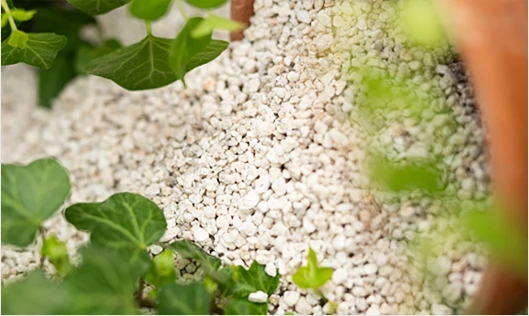
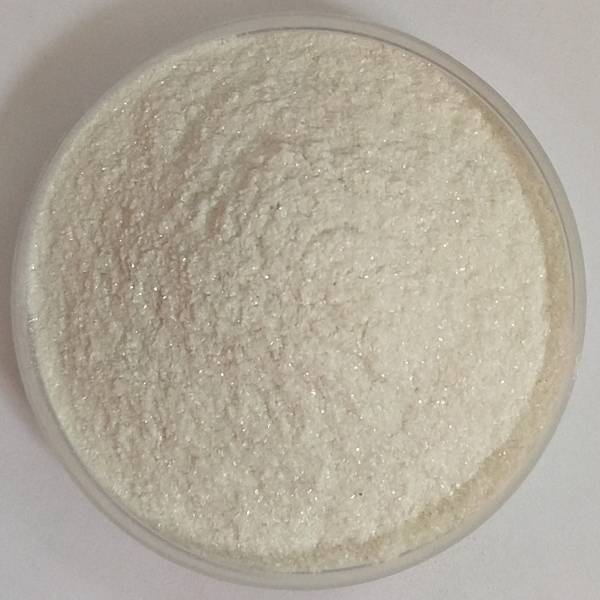
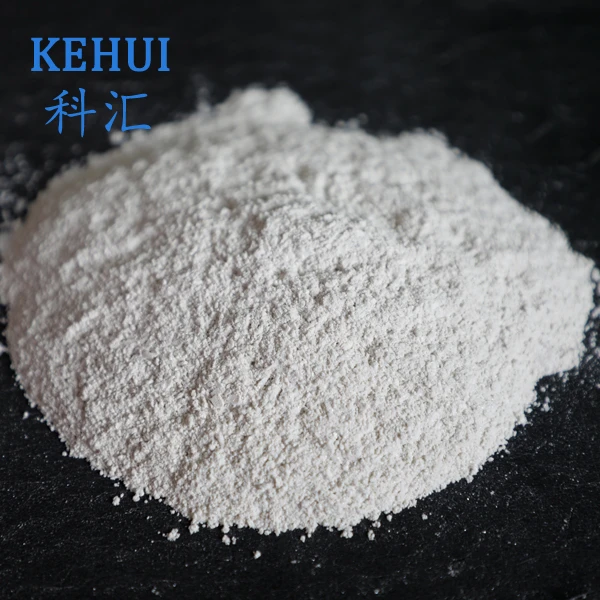
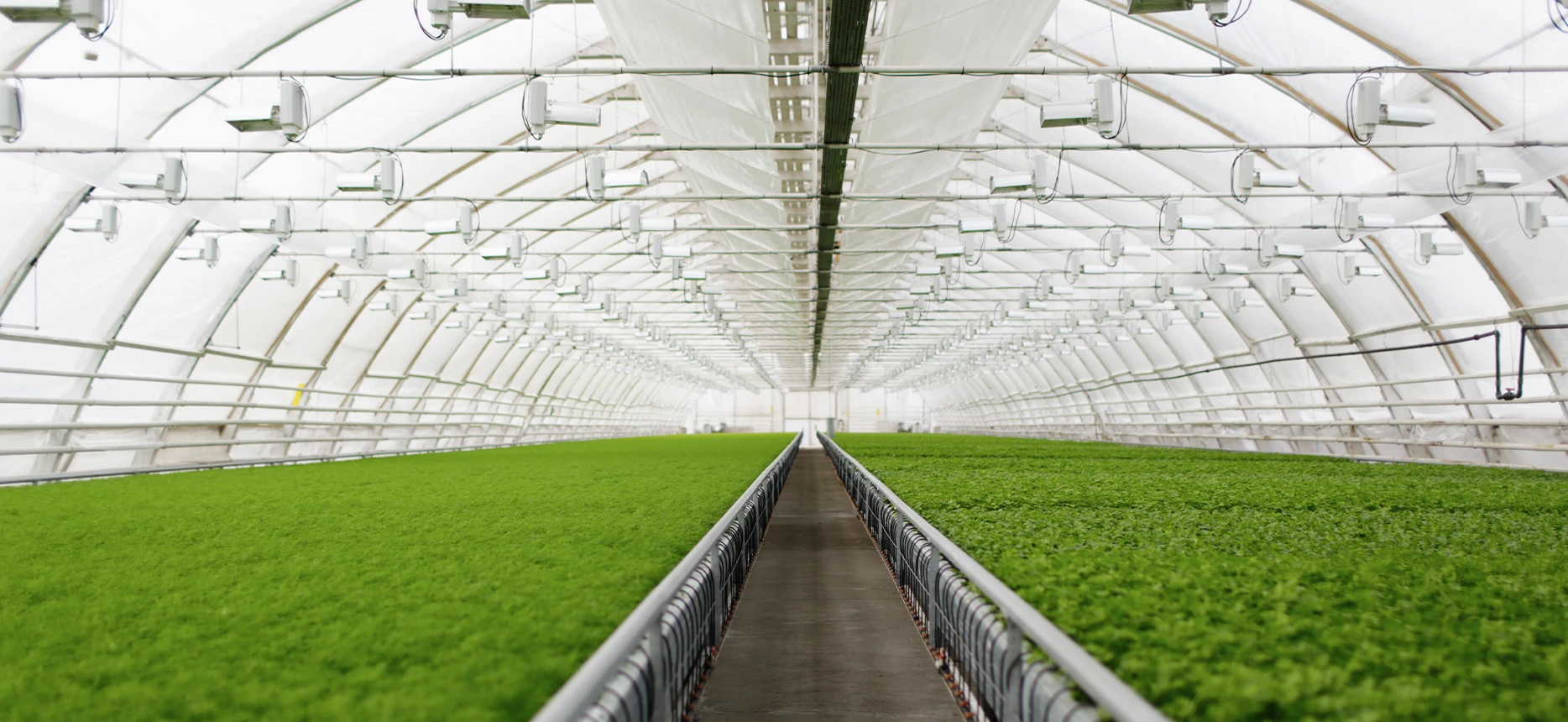
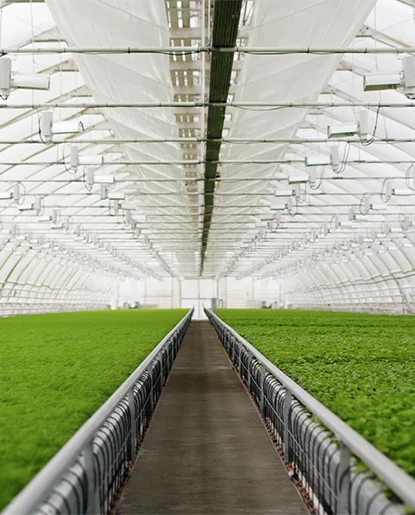
Agricultural Greenhouses Expanded Perlite is a key solution in the Agriculture, forestry, animal husbandry and fishery industry, specifically within agricultural means of production and Horticultural cultivation substrates and soil amendments. This article explores how Lingshou County Kehui Mica Co., Ltd. supports professionals with durable, high-performance products, and explains why this product is an ideal choice for businesses in these sectors. Table of Contents Agricultural Greenhouses Expanded Perlite Overview Benefits & Use Cases of Agricultural Greenhouses Expanded Perlite in Horticultural cultivation substrates and soil amendments Cost, Maintenance & User Experience Sustainability & Market Trends in Agriculture, forestry, animal husbandry and fishery Conclusion on Agricultural Greenhouses Expanded Perlite from Lingshou County Kehui Mica Co., Ltd. Agricultural Greenhouses Expanded Perlite Overview Agricultural Greenhouses Expanded Perlite is a lightweight, heat-expanded volcanic glass engineered to optimize root-zone aeration, drainage, and moisture management in professional horticulture. In greenhouse and nursery operations, it is widely used as a stand-alone propagation medium and as a key component in soilless substrates for vegetables, ornamentals, berries, and seedlings. Typical horticultural grades range from fine to coarse (approx. 0.5–6 mm), offering customizable porosity for diverse crop requirements. Perlite is pH-neutral to slightly alkaline (commonly ~6.5–7.5), chemically inert, low in soluble salts, and sterile on delivery—ideal for sensitive greenhouse environments. From a technical standpoint, expanded perlite combines high air-filled porosity with significant water retention, often holding several times its weight in water while maintaining consistent oxygen availability to roots. Bulk densities for horticultural grades typically fall in the 60–120 kg/m³ range, supporting easy handling and uniform mixing with peat, coco, composted bark, or coir. Lingshou County Kehui Mica Co., Ltd. supplies Agricultural Greenhouses Expanded Perlite with stable grading, minimal dust, and reliable supply continuity, enabling B2B buyers to standardize their substrate recipes, reduce variability, and scale production efficiently across seasons. Benefits & Use Cases of Agricultural Greenhouses Expanded Perlite in Horticultural cultivation substrates and soil amendments In horticultural substrates, Agricultural Greenhouses Expanded Perlite is valued for its ability to improve drainage and oxygen diffusion while buffering moisture for uniform wetting and re-wetting. Common applications include: Seedling and plug propagation: reduces damping-off risk and promotes robust, fibrous root systems. Vegetable and ornamental production: enhances air-filled porosity in peat/coir blends for tomatoes, cucumbers, peppers, and floriculture crops. Cuttings and grafting: supports clean, pathogen-lean rooting environments and consistent strike rates. Hydroponic and soilless culture: stable, inert structure for drip, ebb-and-flow, and bag culture systems. Soil amendments: loosens heavy soils, preventing compaction and improving infiltration in greenhouse beds. Competitive advantages include dimensional stability (won’t decompose), chemical inertness (minimal interaction with fertilizers), and predictable performance in automated irrigation systems. Compared with heavier mineral amendments, perlite’s low bulk density eases handling and reduces strain on benches and rooftop installations. Lingshou County Kehui Mica Co., Ltd. provides consistent particle distribution and tailored grades to meet specific crop needs, backed by industry expertise that helps buyers choose optimal blends, ratios, and irrigation strategies for measurable gains in plant quality and production throughput. Cost, Maintenance & User Experience Total cost of ownership for Agricultural Greenhouses Expanded Perlite is driven by substrate longevity, labor efficiency, and yield stability. Because perlite is inert and structurally stable, it can remain functional across multiple crop cycles in soilless systems when appropriately screened and sanitized between uses, supporting a favorable ROI. Its uniform pore structure improves irrigation efficiency—helping reduce overwatering and nutrient leaching—while supporting consistent EC and pH management in fertigation programs. Maintenance is straightforward: pre-wetting suppresses dust during blending; routine hygiene practices and disinfection protocols enable reuse where appropriate; and standard ratios (often 20–50% perlite by volume in mixes) can be adjusted to crop-specific goals. Feedback from greenhouse and nursery buyers commonly highlights improved drainage consistency, easier irrigation control, and reduced root stress during heat events. For logistics, the lightweight nature of perlite simplifies on-site handling and mixing, and the availability of bagged or bulk formats supports diverse procurement models for small, mid-sized, and enterprise-scale operations. Sustainability & Market Trends in Agriculture, forestry, animal husbandry and fishery Market momentum in controlled-environment horticulture is centered on resource efficiency, resilient supply chains, and substrate optimization. Agricultural Greenhouses Expanded Perlite contributes to these priorities by providing a clean, inert component that supports water-use efficiency and substrate aeration without introducing additional nutrients or contaminants. Its consistent performance helps growers reduce crop losses and improve uniformity—key factors in lowering environmental impact per unit of produce. Regulatory and buyer pressure to reduce reliance on peat is prompting broader adoption of mineral and renewable substrate components. Perlite blends align with these trends by enhancing air porosity and maintaining capillarity in peat-reduced formulas. As greenhouses scale and automation increases, uniform, stable media like perlite become essential for precise irrigation and fertigation control. Lingshou County Kehui Mica Co., Ltd. remains focused on quality stability, application guidance, and supply reliability, helping B2B partners implement substrate strategies that meet evolving sustainability expectations and market standards. Conclusion on Agricultural Greenhouses Expanded Perlite from Lingshou County Kehui Mica Co., Ltd. Agricultural Greenhouses Expanded Perlite is a proven, high-value component for horticultural cultivation substrates and soil amendments—delivering reliable aeration, drainage, and moisture management that translate into healthier roots and more predictable production. With consistent grading, dependable supply, and application support, Lingshou County Kehui Mica Co., Ltd. is a trusted partner to B2B growers and substrate formulators. Ready to optimize your greenhouse media and scale with confidence? Contact us: email: admin@mcelia.com Visit our website: https://www.kehuimica.com
-
0 YearEstablished in 1997
-
0Celia Mica Produced
-
0 ㎡Factory Floor Area
APPLICATION
-

-
ApplicationHydroponics GardeningGrowing Mediums Gardening &Horticulture Hydroponics&Aquaponics Agricultur al&Greenhouse
-

-
ApplicationHydroponics GardeningGrowing Mediums Gardening &Horticulture Hydroponics&Aquaponics Agricultur al&Greenhouse
 Industrial
Minerals
Industrial
Minerals
 Hydroponics
Gardening
Hydroponics
Gardening